Reviewed by: Pat Byington
See where Alabama’s 12 medical cannabis dispensaries will be located
ByMary Helene Hall
-
 24093 views
Reading time: 3 minutes

After years of delays and disputes, the Alabama Medical Cannabis Commission voted to award licenses to four dispensary applicants, which are each allowed to operate three locations.
An administrative law judge presided over a hearing that was requested by competing companies, which resulted in a list of applicants that were deemed most suitable for licenses, according to AL.com:
- GP6 Wellness LLC
- RJK Holdings LLC
- CCS of Alabama LLC
- Yellowhammer Medical Dispensaries LLC
Chairman of the commission Rex Vaughn said that dispensaries could be open as early as spring 2026, and the dispensary companies are all required to pay a $40,000 license fee.
Yellowhammer’s license was placed on a stay until Jan. 26, when the commission plans to meet again to reconsider the stay and address a possible challenge by another company, Capitol Medical LLC.
Where will the dispensaries be?
The locations for the 12 dispensaries are as follows:
- Athens
- Attalla
- Birmingham (two locations)
- Cullman
- Daphne
- Demopolis
- Mobile
- Montgomery
- Owens Cross Roads
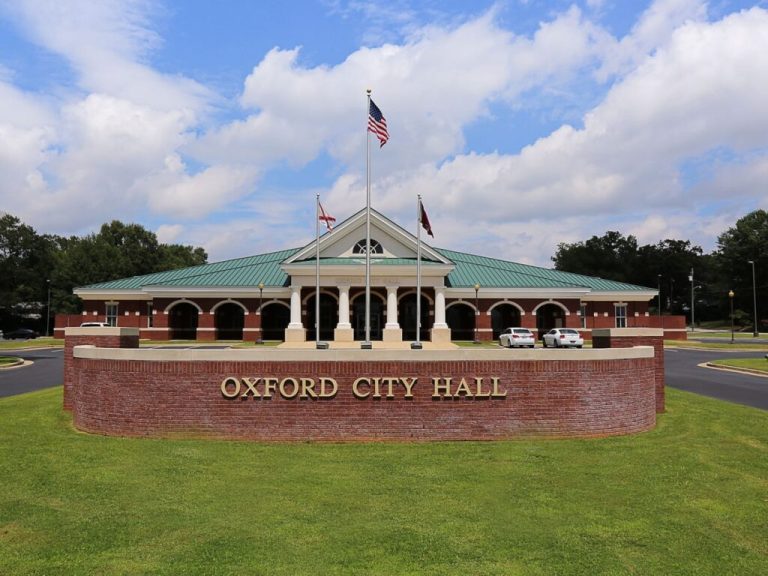
- Oxford
- Talladega
The map below sorts the dispensary locations into the companies they are under by color. Please note that the locations serve as a visual representation of which cities the dispensaries will be in, not an exact location.
Based on current plans, the dispensaries will be relatively spread out throughout the state, but there will not be a location between Mobile and Montgomery.
Some larger cities won’t have a location, including Auburn, Tuscaloosa, Enterprise and Florence. Huntsville proper will not have a location, but there are two in its metro area.
The locations will also only be in cities that have passed local laws for cannabis dispensaries.
What conditions can be treated with medical cannabis in Alabama?
There are many conditions that qualify for medical cannabis treatment, according to the Alabama Medical Cannabis Commission’s website:
- Autism
- Cancer-related weight loss or chronic pain
- Crohn’s
- Depression, epilepsy or condition causing seizures
- HIV/AIDS-related nausea or weight loss
- Panic disorder
- Parkinson’s
- Persistent nausea not related to pregnancy
- PTSD
- Sickle Cell
- Spasticity associated with diseases including ALS, multiple sclerosis, and spinal cord injuries
- Terminal illnesses
- Tourette’s
- Chronic pain for which conventional therapies and opiates should not be used or are ineffective
Doctors can start submitting certification applications starting Jan. 8 — but only if dispensary licenses have been officially issued at that point, AL.com reported. Doctors must complete a course before they are allowed to recommend medical cannabis products to patients.
In what forms are medical cannabis products allowed to be sold?
Allowed products include:
- Tablets
- Capsules
- Tinctures
- Gels, oils, and creams for topical use
- Suppositories
- Transdermal patches
- Nebulizers
- Liquids or oils for use in an inhaler
Dispensaries cannot sell raw plant material, products that can be smoked or vaped, or food products like cookies or candy.
To stay updated on Alabama news, sign up for our FREE newsletter and follow us on Facebook, LinkedIn + Instagram.